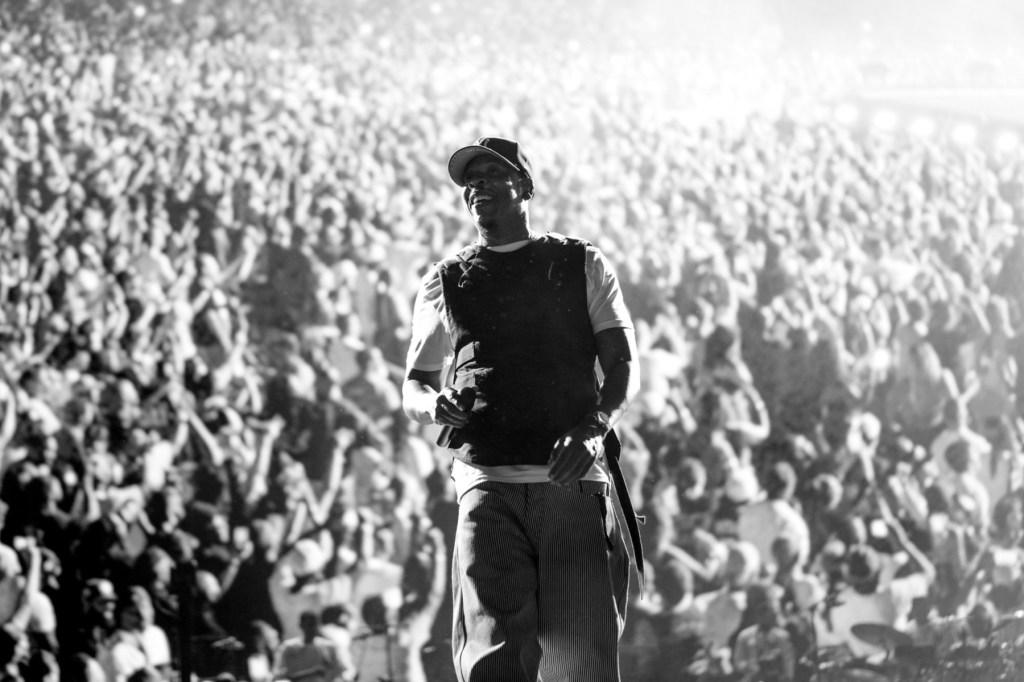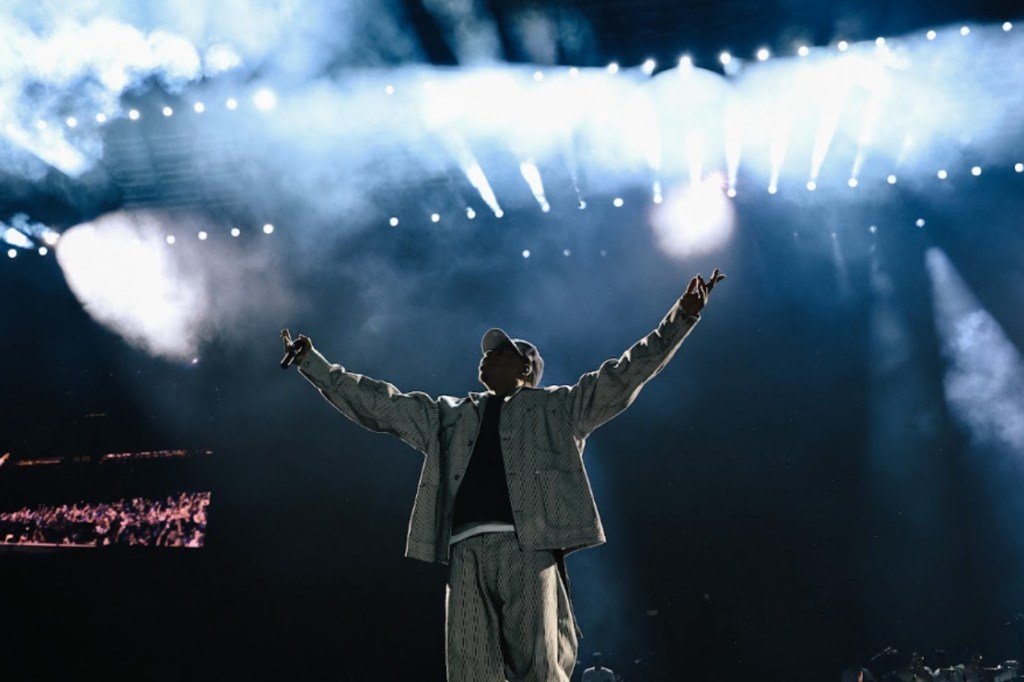

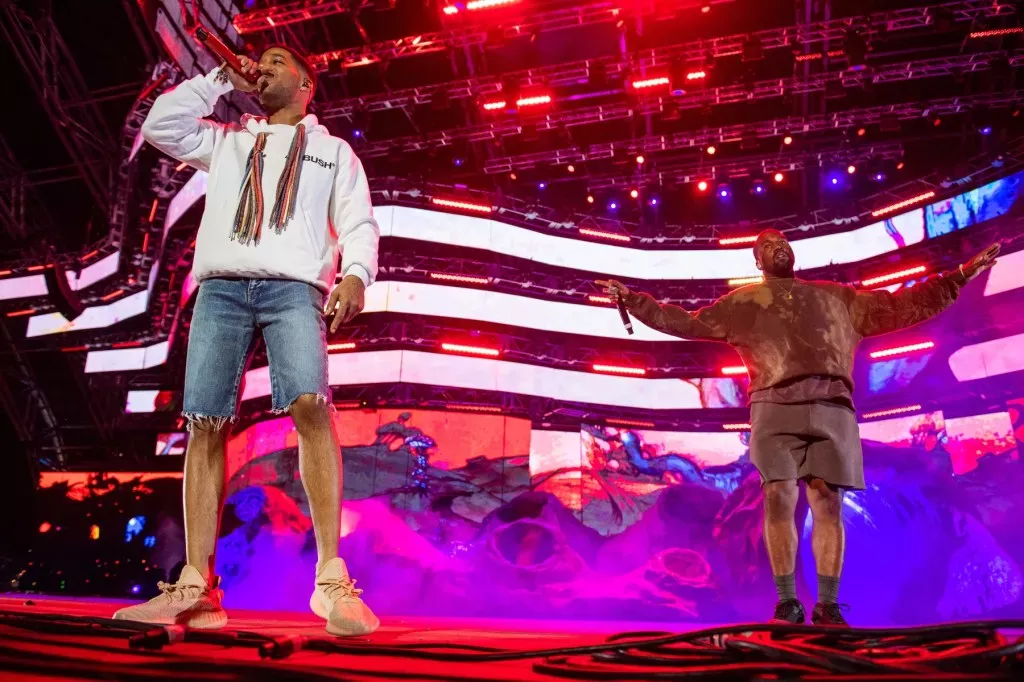
Here’s the thing — when the lights dimmed at Soldier Field on September 4 and Kid Cudi stepped out beside Kanye West, the moment felt less like a surprise and more like a quiet pact between two battered veterans of the same chaotic industry.
I caught the clip on my phone while scrolling through my feed, and the first thing that struck me was how natural the chemistry still seemed. After years of public spats and whispered doubts, the duo launched into “Father Stretch My Hands, Pt. 1,” “Ghost Town,” and a nostalgic “Pursuit of Happiness (Nightmare).” The set felt deceptively simple, yet there was a lot going on here — a shared history, a hint of redemption, and the roar of a Chicago crowd that refused to let the past stay buried.
Kid Cudi’s Take on the Chicago Reunion
After the show, Cudi turned to X and answered a wave of criticism aimed at his willingness to stand beside Ye again. Quoting a post from Peter Rosenberg, he wrote, “I understand ur frustration Peter, I f—s w u, but I dont really care if ur disappointed in me,” before diving into a longer reflection. He called West “my brother,” noting two decades of art and friendship, and argued that “Everyone deserves some grace when they family.”
What resonated for me was Cudi’s insistence that he’s been “the hardest on him out of anybody,” holding him accountable while still offering forgiveness. He reminded us that Ye’s recent apology in early 2026, tied to his bipolar‑type‑1 struggles, was “sincere,” and that the mental‑health battle has reshaped his behavior. It felt like a candid, almost weary, plea for nuance in a climate that loves black‑and‑white verdicts.
What the Night Sounded Like and the Fallout
The three‑hour set that night was a rollercoaster of nostalgia and forward‑looking energy. The trio of songs they performed stitched together different eras of their collaboration, from the 2018 Kids See Ghosts vibe to the early‑2000s “Pursuit” anthem that still fuels late‑night drives. The crowd’s reaction was electric, but the aftermath on social media split along familiar fault lines: fans celebrated the reunion, while others, echoing Rosenberg’s sentiment, questioned the morality of cheering a man who once released a track titled “All Hail the Klan.”
To my ear, the performance wasn’t about erasing those missteps; it was about acknowledging that art and artists evolve, often in messy, imperfect ways. Cudi’s response, layered with personal history and a call for empathy, adds a new chapter to a saga that began when Ye signed him to G.O.O.D. Music back in 2008.
In the end, the night reminded me that reconciliation in hip‑hop is rarely tidy, and that the most compelling moments often happen when two artists choose to face each other on stage, flaws and all. Give the clip a watch, let the music speak, and decide for yourself whether this reunion feels like a genuine step forward.
For more on Cudi’s career, check out Kid Cudi’s Wikipedia.