Some projects never appear in official history books. They do not launch with noise, ceremonies, or big announcements. They simply begin, take a breath, and slowly turn into something else. Radio Baijan was one of those projects. Today, it is fair to say that Radio Baijan was the quiet starting point of what we now know as Anti Radio.
In the mid-2000s, the idea of alternative media in the South Caucasus was still very new. Traditional media felt narrow, and many topics stayed inside invisible limits. At that moment, an international initiative stepped forward called Radio without Borders. It was funded by Sweden’s SIDA foundation and built both technically and conceptually by the Czech organization Sourcefabric. The goal was simple but brave: to create an online radio platform where unspoken topics could be heard, without borders and without permission.
At the center of this system was Airtime / Airtime Pro, an open-source broadcasting tool. It allowed people to run a professional internet radio with free software and full creative control. This technology made it possible to broadcast ideas, not just sound.
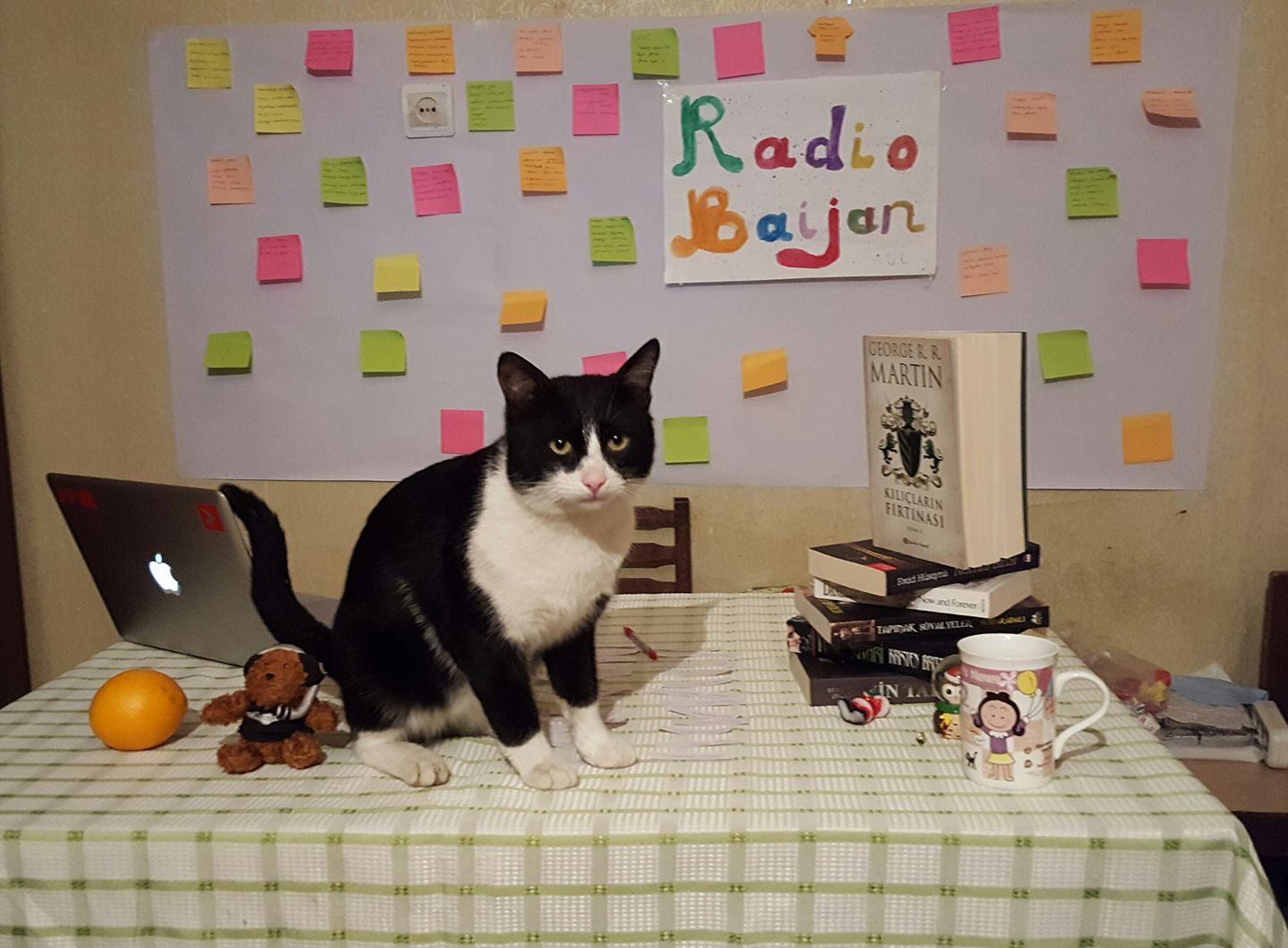
Within this project map, Radio Baijan appeared during the Azerbaijan phase. It was not a classic radio station. There was no FM frequency. Most of the time, there was no real studio either. Often, it was just a room, a computer, and a strong idea. What it truly had was freedom. Freedom in music choice, in topics, in tone, and in voice.
At that time, Radio Baijan existed as a non-commercial online radio. It streamed on the internet, focused on alternative music, and welcomed themes like human rights, youth culture, and different points of view. It was built on ideas, not profit. That is why today there is very little information about it online. Not because it was unimportant, but because it was designed as a temporary mission, not a permanent brand. The project ended, but the experience stayed.
The spirit of Anti Radio actually existed even before that. The Anti Radio of 2005 rejected strict formats and played music not for ratings, but for meaning. That spirit was already alive. What Radio Baijan added was something essential: technical freedom and real alternative media experience.
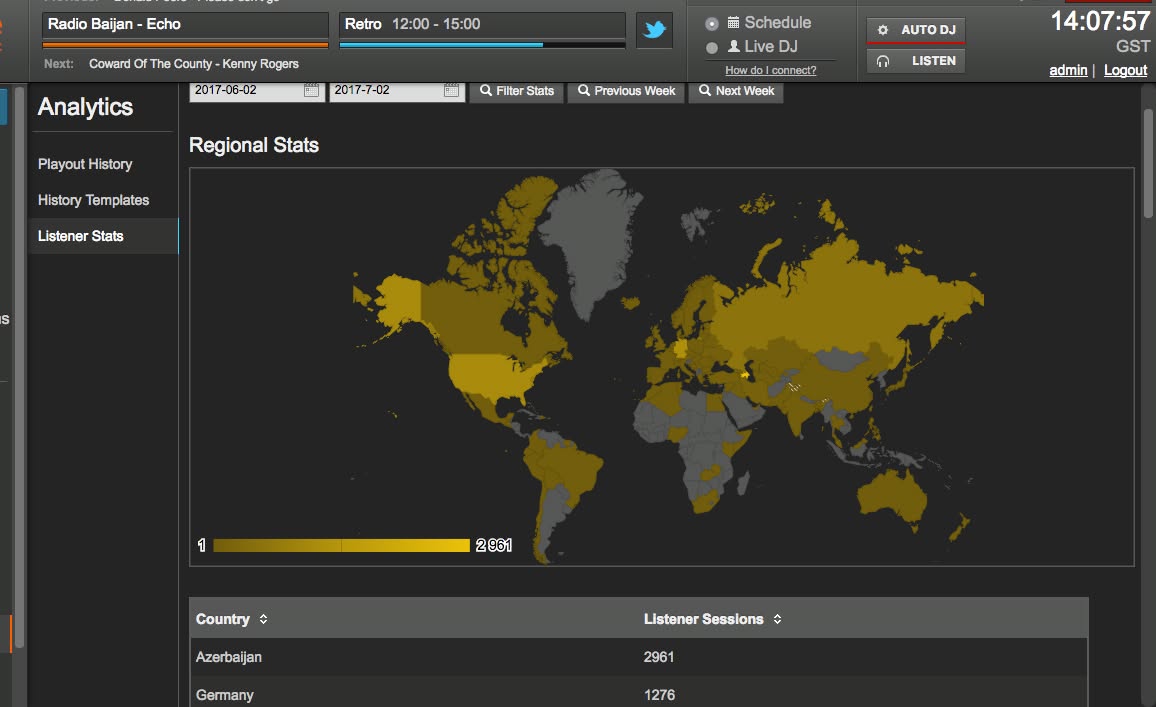
Broadcasting through Airtime, direct connection with online listeners, and the idea of a borderless audience later became the foundation of a renewed Anti Radio. In simple terms, Anti Radio stayed loyal to its original spirit, but it was rebuilt using what was learned during the Radio Baijan period. This was not a rebrand. It was evolution.
Today, Anti Radio is an independent online radio platform. It does not follow traditional radio rules. It sees music as a flow, not a format. It treats “alternative” not as a genre, but as a position. It is free, independent, and ad-free.
Inside Anti Radio, two forces still flow together. One is the rebellion and attitude of Anti Radio from 2005. The other is the borderless radio experience shaped during the Radio Baijan era.
Sometimes a radio station ends so another one can truly begin. Sometimes a name disappears so an idea can live longer. In that sense, Radio Baijan was never a lost radio. It was the breath Anti Radio took before turning into sound.