
If you ask me, nothing feels more charged than watching a cultural heavyweight get called out on a stadium stage and then hearing the other side’s response a few months later.
When I tuned into Dateline NBC’s “Before & After With Lester Holt” on Sept. 7, the former NFL quarterback dropped a line that cut straight to the heart of why we still talk about power in hip‑hop.
Colin Kaepernick’s Take on Jay‑Z’s Yankee Stadium Freestyle
In the interview, Kaepernick said, “First and foremost, what it speaks to is power of people.” He went on to note that the backlash Jay‑Z faced for a 2019 partnership with the NFL “was a major problem for him, so much so that he’s still bringing it up in 2026.” To me, that acknowledgment feels like a rare moment where an activist’s critique lands directly on a rap legend’s own narrative.
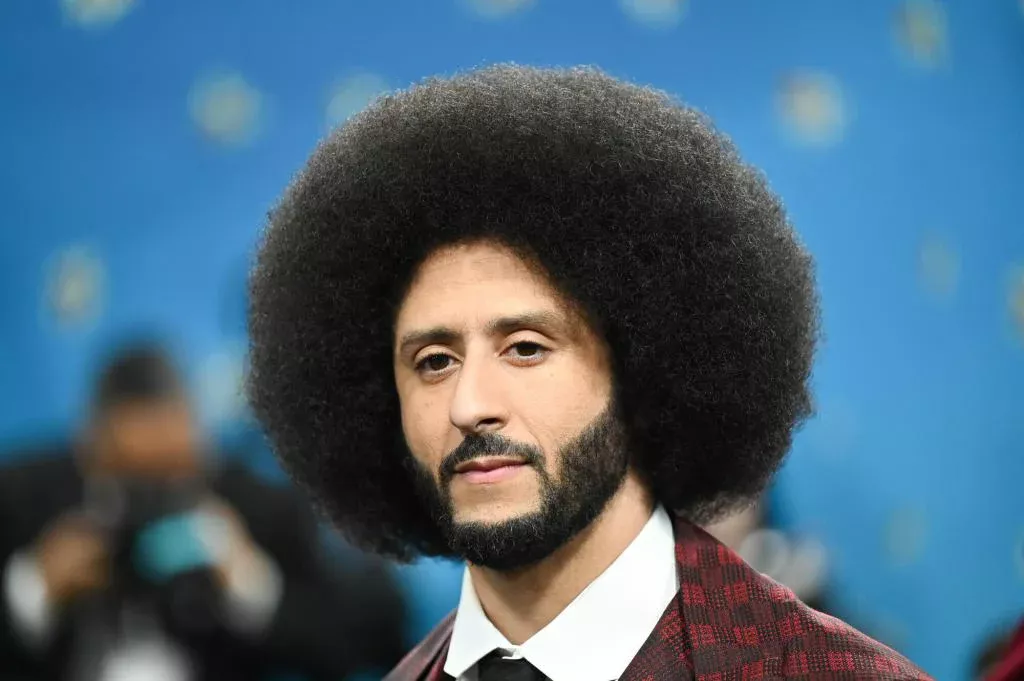
He added, “People are now realizing, ‘Why are you so comfortable stepping into these positions that are counter to the positions that people on the ground actually want?’ And to me, I view that as speaking to a guilty conscience and trying to reposition or reframe the conversation.” That line sticks because it frames the whole freestyle not just as a lyrical boast, but as a strategic pivot in a long‑running cultural feud.
What the Freestyle Says About Hip‑Hop Power Plays
Jay‑Z’s rhyme, delivered in the “Yankee Stadium freestyle,” was a quick jab at critics of his Reasonable Doubt vinyl tie‑in with Target, noting, “They run out of characters, had to bring back up Kap again.” He brushed off the online firestorm, saying, “I don’t listen to Twitter activists, they type and I laugh at them.” The verses are slick, the flow tight, but the subtext is unmistakable: a billionaire rapper defending his brand moves while the community watches.
What’s fascinating is how the freestyle doubles as a PR shield. By throwing a check at the community and invoking “half a billion back to the community,” Jay‑Z attempts to rewrite the math of his controversy. The line about a non‑disparagement clause hints at legal armor behind the bars, a reminder that today’s verses often come with corporate clauses.
For a deeper dive into the rapper’s legacy, check out Jay‑Z’s career. The interplay between his lyrical swagger and the activist pushback creates a soundtrack for the ongoing debate about who gets to speak for the streets.
At the end of the day, Kaepernick’s response feels like a call‑out that can’t be ignored, and the freestyle itself becomes a flashpoint for a larger conversation about authenticity, profit, and protest. Give the track another listen and decide whether the beats or the politics hit you harder.