

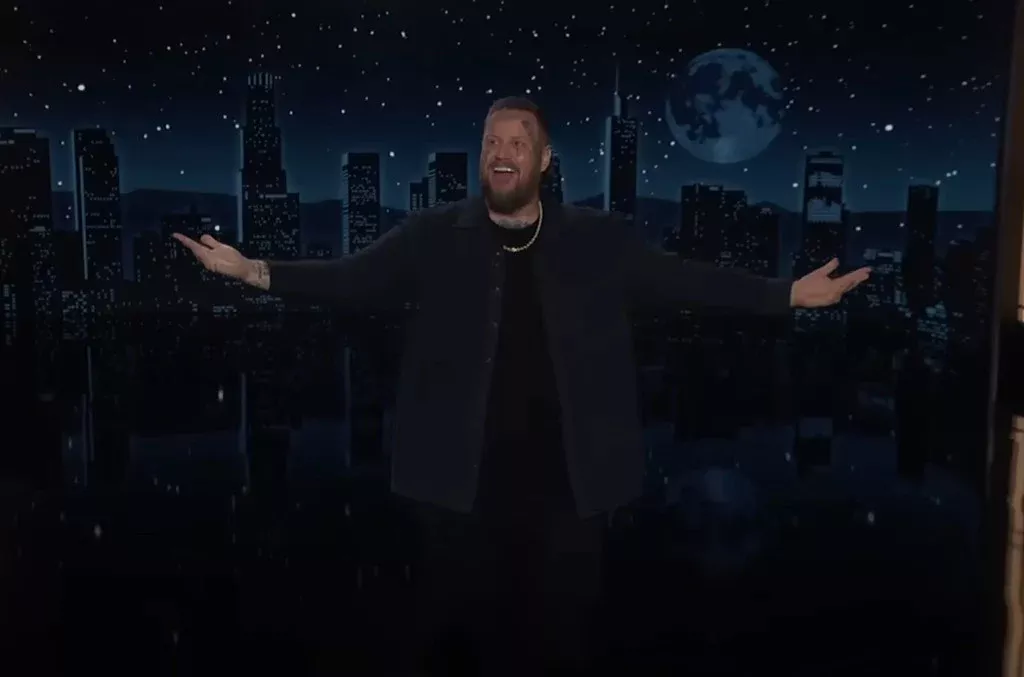
If you ask me, nothing jolts a genre’s comfort zone like a surprise political punch on a late‑night stage. When the Nashville‑born rapper‑singer took the helm of Jimmy Kimmel’s desk, the buzz was louder than the studio audience. I heard the clip on repeat, half amused, half wondering how many country playlists would hit ‘skip’ after his jokes about Trump.
Jelly Roll’s Kimmel Moment Sparks Country Debate
During a recent episode of The Benny Show, John Rich laid it out straight: the artist “knows how this works” and “knows who the audience is.” Rich reminded us that the singer, who leans left on some issues but calls himself “pretty down the middle,” risked alienating “half or more” of his listeners by voicing those views. The guest‑host admitted his jokes landed him in the cross‑fire, with some fans assuming he was a MAGA figure before the week, then labeling him a “liberal snowflake” afterward.
Rich also pointed to country’s lineage of outspoken figures—Johnny Cash, Merle Haggard, Loretta Lynn, Dolly Parton—who let their convictions shape their songs. In his view, the rapper‑singer’s choice to speak up “means what he says is who he is.” It’s a reminder that authenticity has long been a double‑edged sword in the genre.
For anyone curious about the artist’s background, his Wikipedia page offers the full story, from the farm and bow‑hunting roots he cites to his recent chart‑topping collaborations.
What This Means for Authenticity in Country Music
What struck me most was how this episode mirrors a broader shift: listeners today demand honesty, yet they clutch tightly to the narratives they built around their favorites. The backlash isn’t just about a single joke; it’s about a disconnect between a performer’s evolving self‑portrait and the static image fans cling to. In a streaming era where playlists curate moods, a sudden political pivot can feel like a jarring key change.
Rich’s own experience with political fallout adds weight to his analysis. He’s felt the professional sting of speaking his mind, yet he argues the rapper‑singer’s situation is “distinct” because the audience was caught off guard. If the artist had woven his stance into his music from the start, perhaps the controversy would have been a footnote rather than a headline.
Bottom line: this isn’t just a headline about a night on TV. It’s a quiet reminder that country’s heart beats to a rhythm of storytelling, and when the story takes an unexpected turn, the genre’s listeners will decide whether to stay tuned or change the station.